
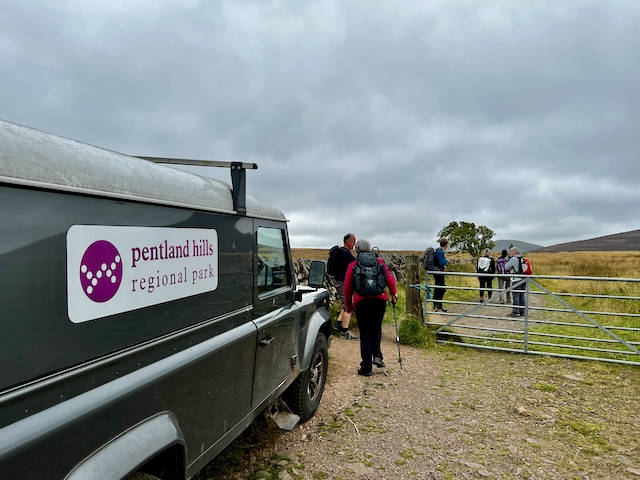
Local authorities and national park authorities are seen as the ‘guardians’ of access rights and have a number of duties and powers, including a duty to “assert, protect and keep open and free from obstruction or encroachment any route, waterway or other means by which access rights may reasonably be exercised”.
Other duties include creating a core paths plan, establishing a Local Access Forum and publicising the Scottish Outdoor Access Code.
There is a range of powers for local authorities which enable signposting and maintenance of paths, dealing with obstructions and misleading notices and temporarily exempting land from access rights.
Successfully managing access requires resources. Throughout the build-up to the Land Reform (Scotland) Act, Scottish Natural Heritage (now NatureScot) encouraged local authorities to employ at least one Access Officer by offering funding. This was discontinued when local authorities eventually received increased funding directly from the Scottish Government to improve access to the countryside.
Today, the changing economic climate is affecting outdoor access. The number of access officers is declining, and there is pressure on those who remain to take on other, possibly disparate activities.
Whilst this is a problem, the achievements of the Land Reform (Scotland) Act in recognising the long-held desires of the people of Scotland must never be forgotten.